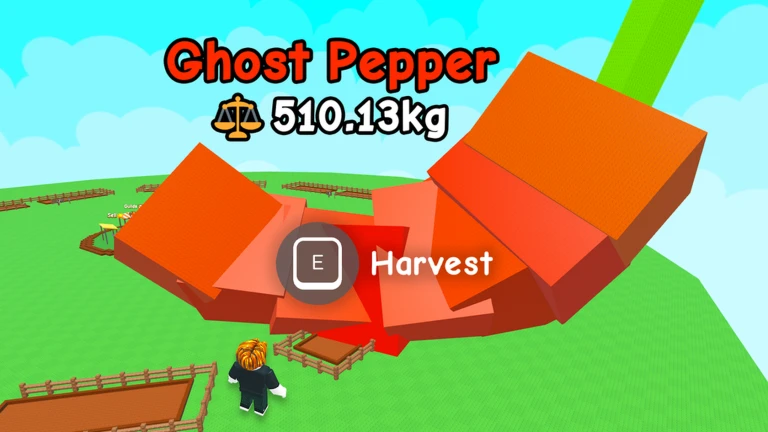
Run one small loop before chasing rare stock: buy a seed you can afford, plant it in a known plot slot, observe whether it is one-time or repeat-harvest, collect when ready, sell enough to fund the next cycle, and reserve your best crop decisions until you understand the night risk.
Learn the official loop with one crop
The current Roblox description gives the durable sequence: buy seeds when the shop restocks, plant them, let them grow, harvest the crops, and sell for Sheckles. Complete that sequence once with a seed that is actually available and affordable in your server. Do not delay the first harvest while waiting for a rare name from an old guide. The goal is to learn where the live shop, plot, harvest state, and selling action are, and to see which inventory or currency indicators change. Record only what the current interface shows. After one complete cycle, you can compare choices without guessing which step created the result. This baseline also makes future updates easier to diagnose because the whole routine has a known starting point.
Treat plot space as a budget
A garden decision uses more than currency. It also occupies space and attention until the crop is ready or cleared. Before planting, count the open spaces you can reliably monitor and decide how many will remain available for the next shop opportunity. Filling every slot with the first seed may produce a harvest, but it can prevent you from testing a better option that appears later. The reviewed beginner reference distinguishes one-time harvest behavior from crops that can produce again. Verify that behavior on the current crop rather than assuming its category from memory. Use repeat-harvest plants for continuity when supported, and one-time plants for controlled experiments. The rule is simple: every occupied space should have a reason and a next check.
Use a keep-sell-replant checkpoint
When a crop becomes harvestable, pause before automatically clearing or selling everything. Ask three questions: does this plant produce again, does the current garden need the space, and how much currency must remain for another seed? Harvest according to what the live plant state allows, then sell enough to finance the next planned cycle. Do not use an unverified value table to promise a payout; weight, rarity, mutations, balance changes, or other live conditions may affect what the player receives. The checkpoint is valuable even when exact values move because it forces the player to protect both liquidity and garden capacity. If a result surprises you, note the seed, visible crop state, and active conditions before changing the plan.
Buy from the stock you can see
The official description explicitly makes shop restocking part of play. That means availability is a decision constraint, not an inconvenience a static list can remove. Set a short shopping rule before checking the shop: buy an affordable seed that improves either learning, repeat output, or garden variety, and keep a reserve instead of spending the entire balance. If the desired seed is absent, continue the baseline loop and check again later. Do not claim an exact restock timer, guaranteed appearance, or permanent best seed unless a current deterministic source supports it. Community trackers can help players notice questions, but the in-game shop is the authority for what can be purchased in the current server at that moment.
Prepare before the night risk begins
Grow a Garden 2's official description states that stealing starts at night. Treat the transition as a planning deadline. Before night, identify which plants matter most, harvest anything you would regret losing when the live state allows it, and decide whether to remain near the garden or accept the risk while doing another task. The reviewed defense reference groups protection into several categories, but exact items, effects, prices, and success rates require current verification. A beginner does not need a perfect defense inventory to make a sound decision. Concentrate value, reduce exposed uncertainty, and observe what actually happens during one night. Then adjust one part of the setup rather than copying a complete loadout that may belong to an older update.
Review results across comparable cycles
After two or three cycles, compare like with like. Use the same approximate session conditions and track which seed was planted, whether it produced once or repeatedly, how much space it occupied, whether the crop reached harvest, and whether night interrupted the plan. Do not mix an offline interval, a weather event, a guild reward, and a new seed into one conclusion. The official listing confirms offline growth and guild competition, but it does not prove that every visible difference came from either system. Change one decision at a time: seed choice, space allocation, selling reserve, or night preparation. Keep the routine that remains understandable after the values and stock change; recheck any exact number in the live game.
What changed across observed Roblox snapshots
This is our own dated history of the same public Roblox fields. It shows observed movement, not a prediction or an explanation for why players moved.
Source: QuestSignal immutable release history · newest five observations shown
What this guide does not assume
The guide uses the current official seed-shop, planting, growth, harvest, selling, guild, night-stealing, and offline-growth premise plus a reviewed beginner task structure. It does not assert exact seed prices, crop values, restock timers, growth durations, mutation multipliers, defense effects, theft penalties, or reward amounts.
Refresh trigger: Refresh when the official description changes the seed-to-sale loop, shop restocking, offline growth, guild competition, or night stealing, or when current play shows that the plot-space and harvest checkpoints no longer match the interface.