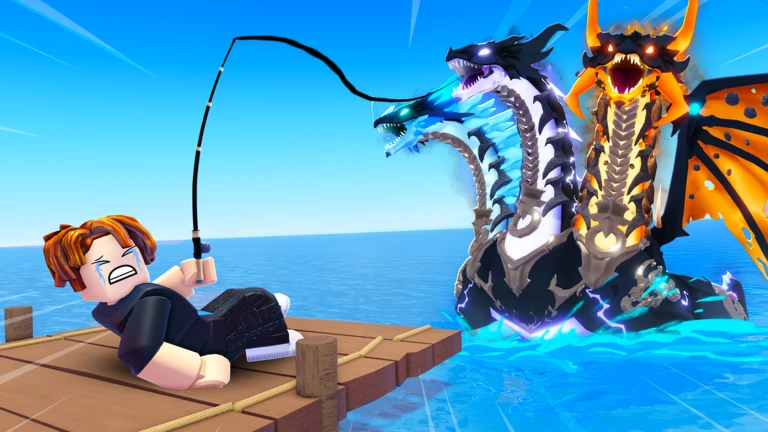
Practice the charge-and-click catch first, sell enough to remove the current equipment bottleneck, then choose the next location or upgrade according to whether the session goal is income, quests, or collection progress.
Practice the official two-part input
The current Roblox description gives the essential control: click to charge, then click as fast as you can. Spend the first few catches learning those two phases rather than judging the account by fish rarity. On the charge phase, aim for a repeatable release instead of chasing a perfect result every time. On the follow-up phase, keep the input controlled enough that the player can see when the catch succeeds or fails. If a platform uses touch buttons or a different prompt, follow the live interface. A short timing drill creates more value than buying equipment before the player understands what the equipment changes. Record whether most failures happen during charge, follow-up input, or because the rod cannot handle the target.
Close the first earn-and-sell cycle
The reviewed beginner guide describes a starter loop of catching, selling, and reinvesting. Complete that loop once before sailing away or saving for an impressive late-game item. Selling converts the first session into visible purchasing power and teaches where the relevant interface or NPC sits. Keep one note with catches sold, money after selling, and the next intended purchase. The purpose is not to maximize a coin-per-minute formula copied from another account. It is to make progress legible. If the player cannot say what the next purchase fixes, keep fishing and learning instead of spending. A small upgrade that removes the current constraint can outperform an expensive option that belongs to a later location or goal.
Identify the equipment bottleneck
The rod reference separates Luck, Speed, and Weight. Use those categories as questions. Are catches too slow for the available play time? Is the player pursuing rarer collection entries? Is a target too heavy for the current equipment? A rod purchase should answer the active question. Bobbers, bait, enchants, and other systems may add more choices, but adding every system at once makes it impossible to tell what improved. Change one meaningful component, run several comparable casts, and compare the result. Exact stats and item names are update-sensitive, so verify them in the live shop or a freshly maintained source. This page teaches the diagnosis rather than declaring one permanent best rod.
Choose a session goal before choosing an island
Fish It supports collection, fishing with friends, and sailing to explore. Those goals can point to different destinations. For income, choose a location the current equipment handles consistently. For the Index, identify a missing location or species category and accept that the session may earn less. For quests, let the quest requirement lead. For a social trip, select a route the whole group can reach. The beginner reference lists islands and the Index as separate systems, which is why travel should have a declared purpose. Buying a boat or moving zones solely because an advanced guide names a rare fish can strand a new account in content it cannot use efficiently.
Keep an upgrade ledger instead of a tier list
Write each meaningful purchase with four fields: date, old constraint, chosen upgrade, and observed result. If a faster rod reduces waiting but weight becomes the new limit, the next decision is clear. If an expensive purchase does not change the session goal, stop copying the same recommendation and diagnose why. A ledger also protects against update drift. When a stat changes, the player can retest the current item rather than assuming the old conclusion still holds. Do not compare Robux and free progression as though every player has the same budget. The useful question is whether the upgrade improves the chosen task enough to justify its current cost and acquisition path.
End with one collection and one economy target
At the end of a session, choose one collection target and one economy target for next time. The collection target might be visiting a location or filling a visible gap in the Index; the economy target might be a supported upgrade or a reserve amount. Keeping both prevents the game from becoming only repetitive selling or only low-probability hunting. Recheck the official update summary before using a route tied to Starfall or another event. New fish, quests, secrets, abilities, stones, or weather labels do not by themselves prove an exact spawn or reward. Let the live game confirm those details, then update the plan only where the new content changes the player's chosen goal.
What changed across observed Roblox snapshots
This is our own dated history of the same public Roblox fields. It shows observed movement, not a prediction or an explanation for why players moved.
Source: QuestSignal immutable release history · newest five observations shown
What this guide does not assume
The official listing supports the current control, collection, sailing, social premise, and named update categories. Reviewed sources support the cast-sell-upgrade loop and rod decision dimensions. Exact shop prices, best rods, fish odds, island counts, and event rewards are excluded unless currently reverified.
Refresh trigger: Refresh when fishing input, rod stat categories, the starter economy, island access, or the live Index changes materially.