Begin with a baseline, keep one observation lane at a time, and treat a mismatch as a reason to recheck—not as proof by itself.
Start by learning the normal room, not hunting a scare
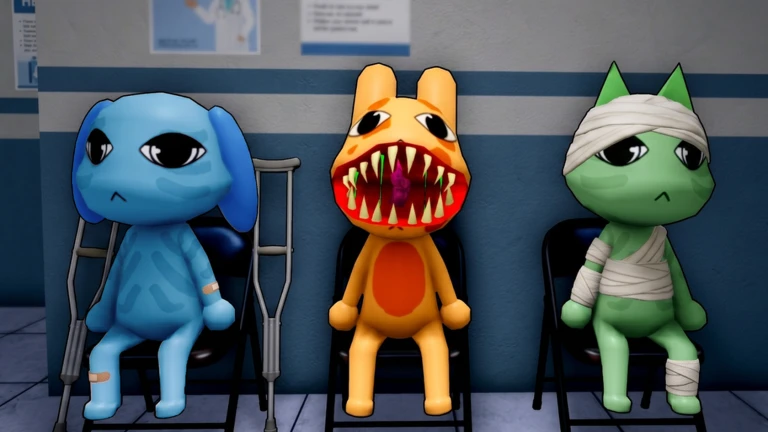
The official premise is simple: you work a night shift and treat patients, while some patients may not be what they seem. That wording gives you a job and a reason to stay alert, but it does not provide a complete anomaly catalogue. On your first run, spend the opening moments learning what the hospital looks and sounds like before you label anything suspicious. Notice the patient position, the nearby equipment, the room layout, and any image or camera surface the game asks you to use. A baseline is useful because later differences have something concrete to be compared against. Running from room to room looking for a dramatic reveal makes small inconsistencies harder to separate from ordinary animation, lighting, or memory.
Use one observation lane at a time
Work through the same lanes in the same order: patient, room, image or camera, and sound. the reviewed same-game source uses those categories because they stop a vague feeling from becoming an unsupported claim. Look at the patient first, then scan obvious objects and surfaces, then inspect any photo or monitoring view available in the current shift, and finally pause long enough to notice audio changes. Do not assume that every lane is an official detection mechanic; this is an observation routine, not a hidden formula. Its value is consistency. If something changes, you can say where the change appeared and perform a second check instead of guessing from the overall mood.
Separate a symptom from an anomaly clue
A medical-looking symptom and a suspicious game event are not automatically the same thing. The local specialist material tracks supplies such as bandages, medicine, eyedrops, IV-related items, and emergency gear, but it deliberately avoids assigning exact effects without current proof. Apply the same discipline in play. First ask whether the patient presents an ordinary treatment problem. Then ask whether a visual, environmental, or timing detail conflicts with your baseline. If the game gives an explicit treatment prompt, follow what is visible rather than a remembered community list. If the choice remains unclear, hold the decision long enough to recheck. A named item page or community term is a lead, not permission to invent a treatment match.
Confirm a mismatch with a second signal
One unusual detail should trigger a recheck, not an instant verdict. Repeat the same view, compare the patient with the room, or ask a teammate to inspect independently. A patient expression that looks different is stronger when another stable detail also disagrees; a camera-only shape is stronger when it persists on a second look. This does not mean that two observations prove a particular named anomaly. It means you have reduced the chance that motion, perspective, or memory created the mismatch. Record the two signals in plain language—what changed and where—without adding a label you cannot support. If the signals disappear, return to the treatment route instead of forcing a dramatic answer.
Split the work clearly in solo and duo sessions
Solo players should use a short loop they can repeat without losing track: patient, immediate room, image surface, audio pause, then decision. Avoid trying to memorize the entire hospital between patients. In a duo, give each person a lane instead of having both players rush toward the same clue. One player can stay with the patient and treatment prompt while the other checks room and camera context. Compare notes before acting, especially when only one person saw the change. The reviewed same-game source suggests this division as a practical evidence habit, not as a claim about a required class system. If teammates disagree, repeat the shared observation rather than letting the loudest guess decide.
Know when to stop searching and continue the shift
A good routine must also prevent endless checking. If the patient, room, image, and sound lanes remain consistent after a repeat pass, proceed with the visible treatment task. If two signals conflict with the baseline, pause and use the safest action the current interface supports. Do not chase an entity name, exact jump-scare outcome, or secret route that is absent from the current evidence. After the shift, note which part of the routine helped and which prompt was unclear. That creates a useful question for a later source check. The goal of a first-shift guide is not to spoil every surprise; it is to help you make calmer decisions with the information the game actually shows.
What changed across observed Roblox snapshots
This is our own dated history of the same public Roblox fields. It shows observed movement, not a prediction or an explanation for why players moved.
Source: QuestSignal immutable release history · newest five observations shown
What this guide does not assume
The Roblox listing confirms the treatment-and-suspicion premise. The observation lanes and team workflow come from the owned specialist resource and are deliberately presented as a repeatable checking method, not as an official anomaly formula. Exact entities, item effects, room locations, and failure outcomes remain excluded unless current first-party or replayable in-game evidence supports them.
Refresh trigger: Refresh after the official description changes, a named shift mechanic is documented by Roblox or the creator, or replayable captures show that the patient/room/camera workflow no longer matches the live game.